
A vibrant interplay of energy and quantum mechanics is at the heart of what we call Rabi oscillations. Imagine diving into a world where time and space move with the rhythm of quantum energy, a place where particles behave more like dancers in a cosmic ballet than the rigid bodies of classical physics.
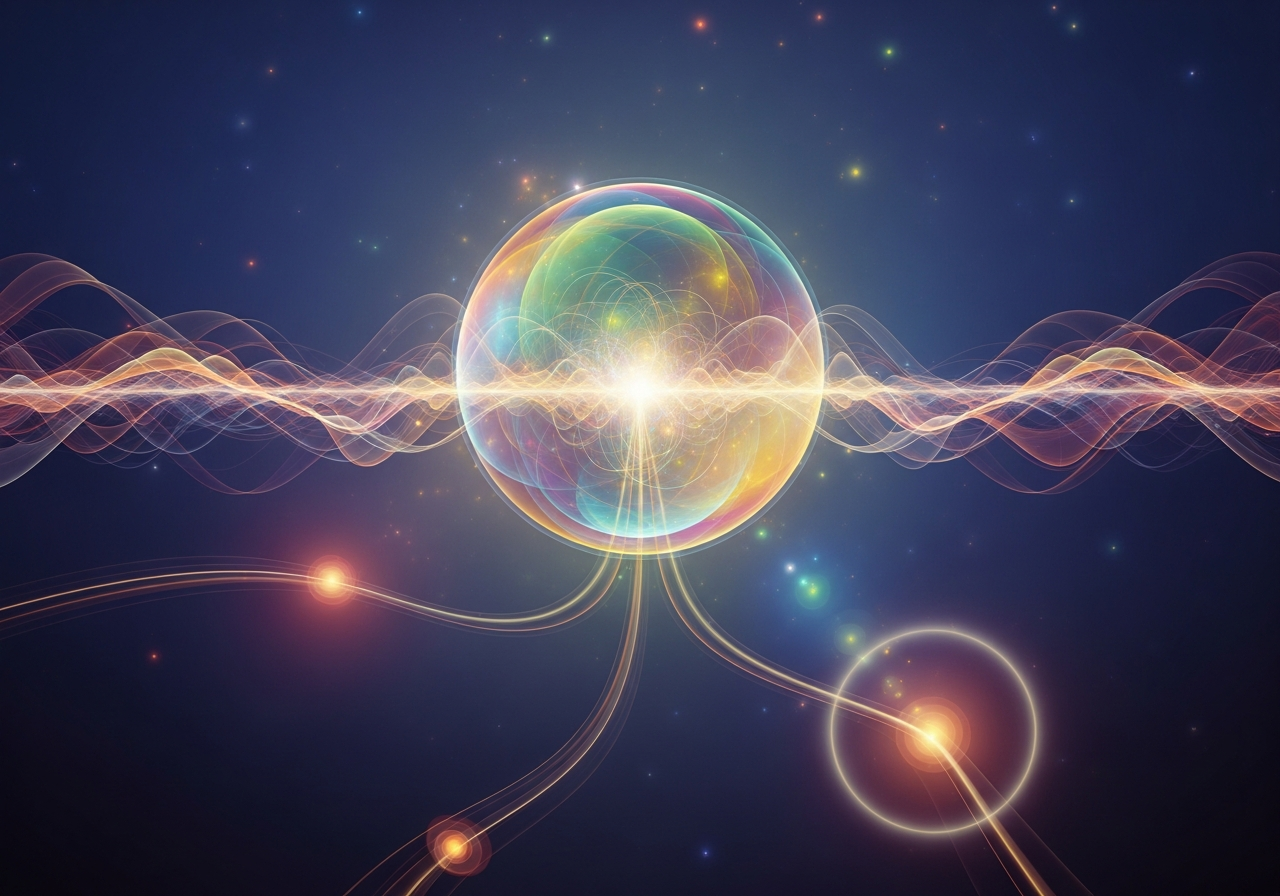
At the center of this dance is the simple yet profound concept of a two-level system. Picture two energy states—like two dance partners, each telling a story through motion. One is grounded, the other can leap skyward, propelled by an external force much like the hands of a conductor guiding an orchestra.
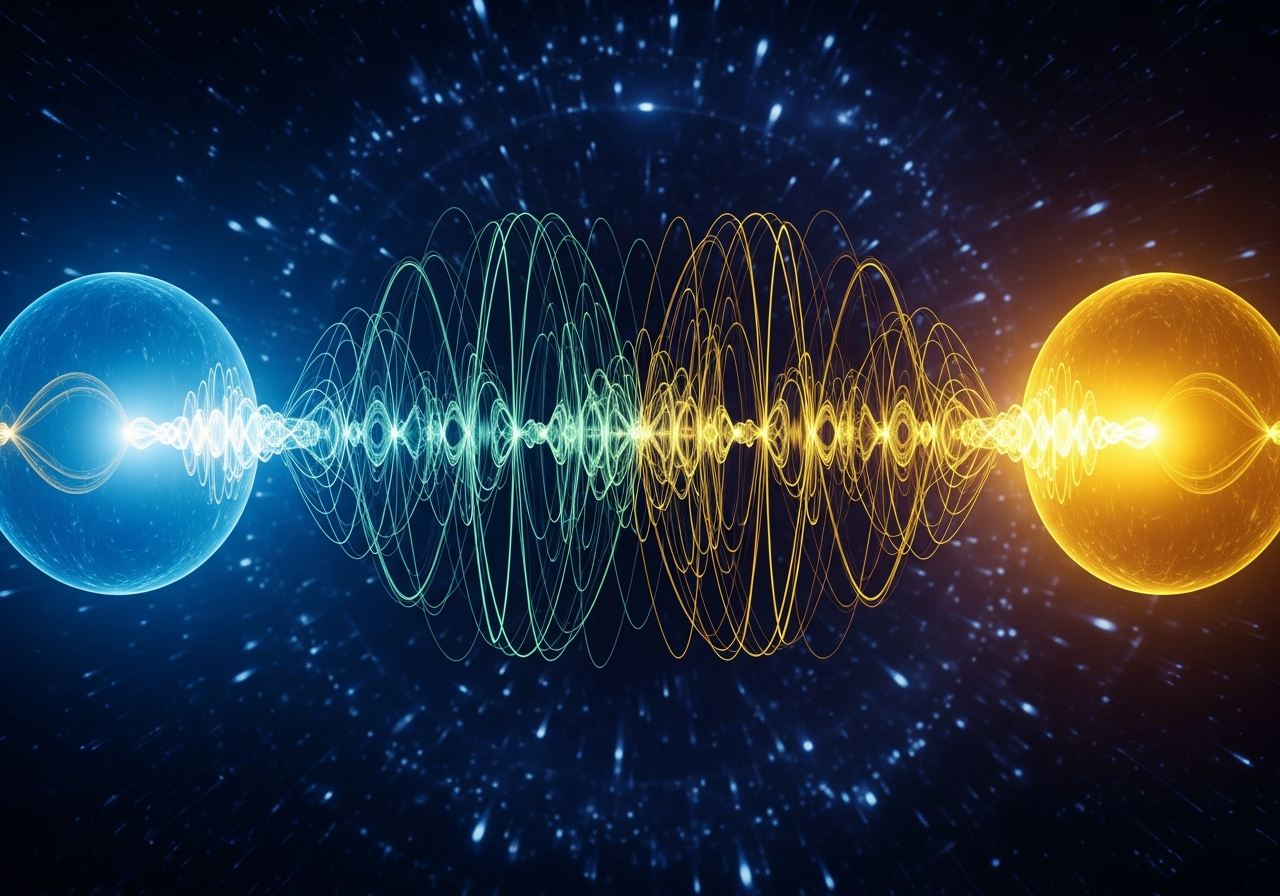
It’s not just elegance that makes Rabi oscillations fascinating. These oscillations offer a window into the essence of quantum coherence. When an external field is applied, the energy states begin to swap with a rhythm determined by the field’s strength. Imagine a cosmic game of leapfrog, where the intensity of the melody defines each leap’s grandeur. This control over quantum systems isn’t just theoretical. It’s crucial for practical applications, such as quantum computing and information processing.
What truly astounds is how Rabi oscillations highlight quantum superposition. Both energy states coexist in a delicate harmony until an observation catapults the system into one distinct state. Think of it like a spinning coin, embodying both heads and tails until it lands. Such duality defies classical intuitions, urging us into a realm where reality and abstraction blend seamlessly.
The harmony of this quantum dance is dictated by coherence. Picture the synchronization required by dancers to maintain the grace of their performance—this is coherence in the quantum realm. It allows the dance, or oscillations, to flourish. Introduce decoherence, akin to disruptive noise, and the elegance is shattered, much like seeing graceful choreography descend into disorder.
Rabi oscillations ripple through experimental physics too. They are the tools by which physicists manipulate photons in quantum optics, or control qubits—the heart of quantum computation—by delicately timing transitions. In fields like atomic physics, these oscillations unveil interactions at profound levels, aiding the development of refined spectroscopic techniques with transformative potential.
But let’s not forget the human touch in this quantum choreography. Scientists, the true choreographers, marry intuition with technology, creating controlled experiments that reveal this mesmerizing phenomenon. Their work helps us comprehend the grand narrative of reality, where every observation could alter the cosmic dance.
Thus, rather than merely observing these oscillations, let us participate. We resonate within the quantum field, navigating our experiences through action and intention. Just like dancers attuned to universal rhythms, we too are part of this expansive cosmic performance. Embracing the lessons of Rabi oscillations doesn’t just enhance our understanding of quantum mechanics; it deepens our connection to the universe itself—a rich tapestry woven from oscillating possibilities.