
Imagine not a world governed by enchanted quantum computers but one shaped by the sharp wit and relentless curiosity of the human mind. BQP, or Bounded-Error Quantum Polynomial Time, may sound like a mouthful, yet it offers a unique peek into a realm where problems once deemed insurmountable yield under the right touch. Rather than depictions of magical transformations and cosmic leaps, let’s dig into the heart of what BQP truly represents—a practical application of quantum mechanics to enhance computation.
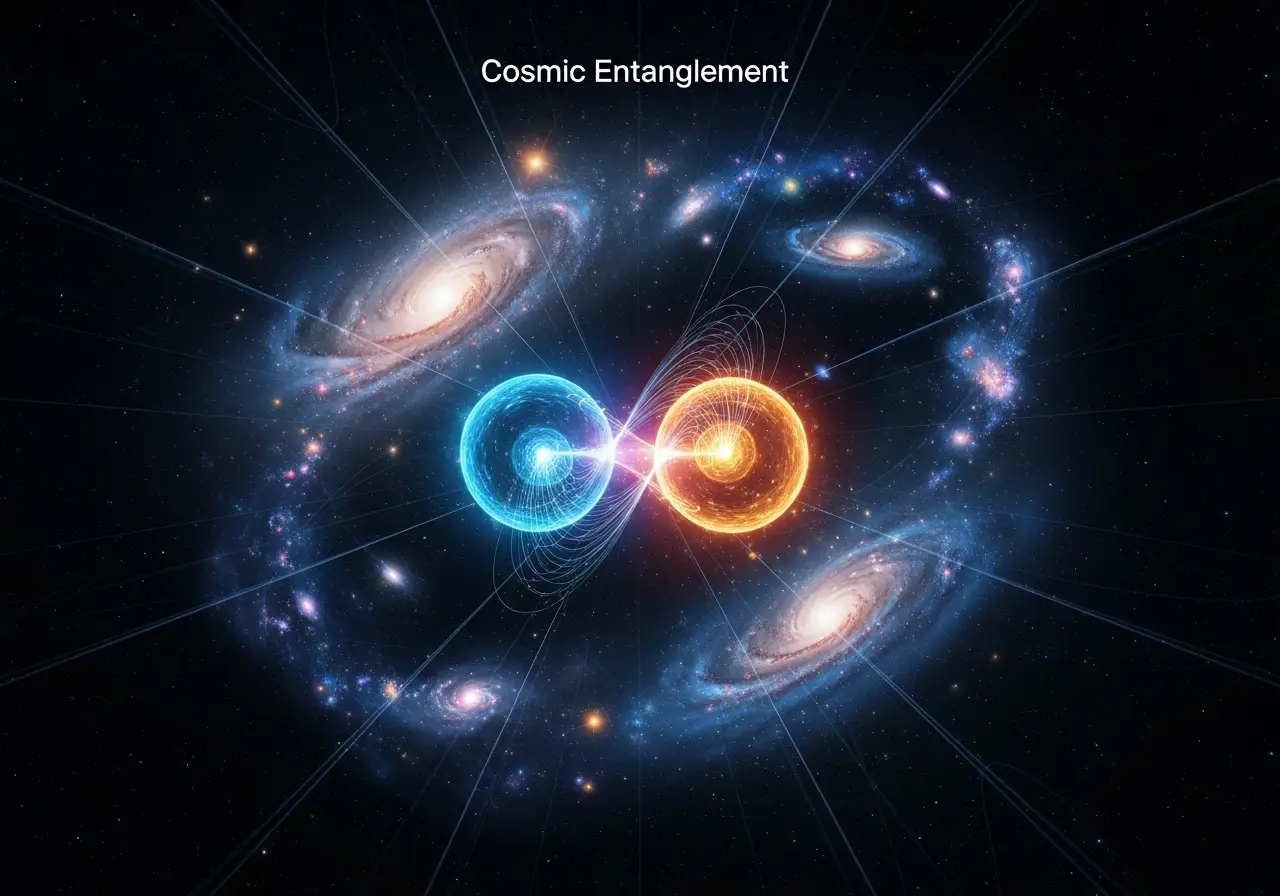
At its essence, BQP embraces principles of superposition and entanglement, those fascinating elements of quantum mechanics that allow particles to exist in multiple states. Where traditional computers may laboriously sift through one possibility at a time, quantum computers enhance our approach, examining numerous possibilities in tandem, bringing to mind a well-rehearsed ensemble rather than a lone soloist.
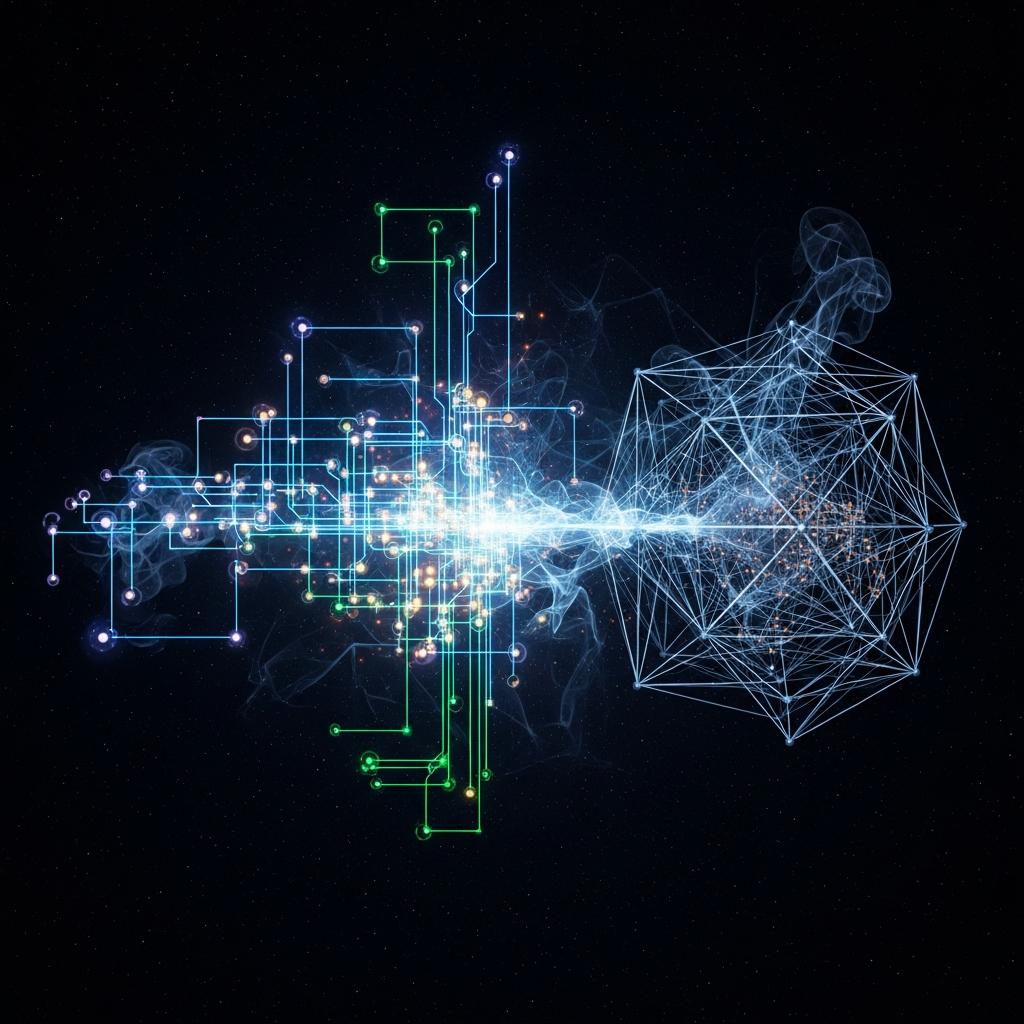
But let’s step back from abstractions and address the question: How does BQP tangibly alter the landscape of problem-solving? Think of BQP as a toolkit stocked with algorithms like Shor’s for factoring large numbers efficiently and Grover’s for more rapid database searches. Historically, these challenges seemed monumental—akin to chipping away at a mountain with nothing but a spoon—but with quantum algorithms, they transform into manageable tasks.
The promise of quantum computing stems from this ability to redefine problem-solving. In fields like cryptography, BQP holds the key to fortifying our digital defenses by developing encryption methods resilient to future threats. Meanwhile, the potential in optimization and machine learning applications is huge, opening doors to advances we can barely anticipate.
Yet, the journey toward harnessing BQP’s full potential is anything but linear or straightforward. Quantum computers face hurdles of stability and scalability—akin to the early days of computing when machines groaned under simple arithmetic. These challenges demand a blend of engineering ingenuity, resilience, and an unwavering faith in what quantum mechanics can achieve.
Let’s dispel any notion that BQP is a solution panacea. It’s a stepping stone—a pivot point prompting us to reconsider the boundaries we’ve placed on computation. It’s about inviting scientists and engineers to unlock pathways once shrouded in complexity.
Standing at the threshold of what could be the quantum age, remember that BQP is an invitation to progress, not wizardry. It’s a testament to the human capacity for innovation. This is our opportunity to weave computation into the rich tapestry of discovery and unlock secrets that once eluded us. The quantum journey is at our doorstep, extending an invitation to those eager to explore its potential.