
Let’s take a moment to unravel the fascinating world of Quantum Random Number Generation (QRNG), where randomness isn’t just a concept, but a dynamic process playing out right in front of us. Imagine quantum particles—those tiny powerhouses of potential—participating in an unpredictable dance that defies our understanding. They’re like performers caught mid-act, pivoting and swirling in a routine that no one can foresee, not even the universe’s most seasoned observers.
Now, QRNG differs drastically from traditional random number generation methods. Where algorithms strive for unpredictability yet fall into patterns, QRNG finds its foundation in the true caprice of the quantum world. It taps into phenomena like photon emissions, turning these into a new kind of randomness—unfiltered, raw, and unrepeatable. Think of it as the universe revealing snippets of its boundless creativity without ever showing its full hand.
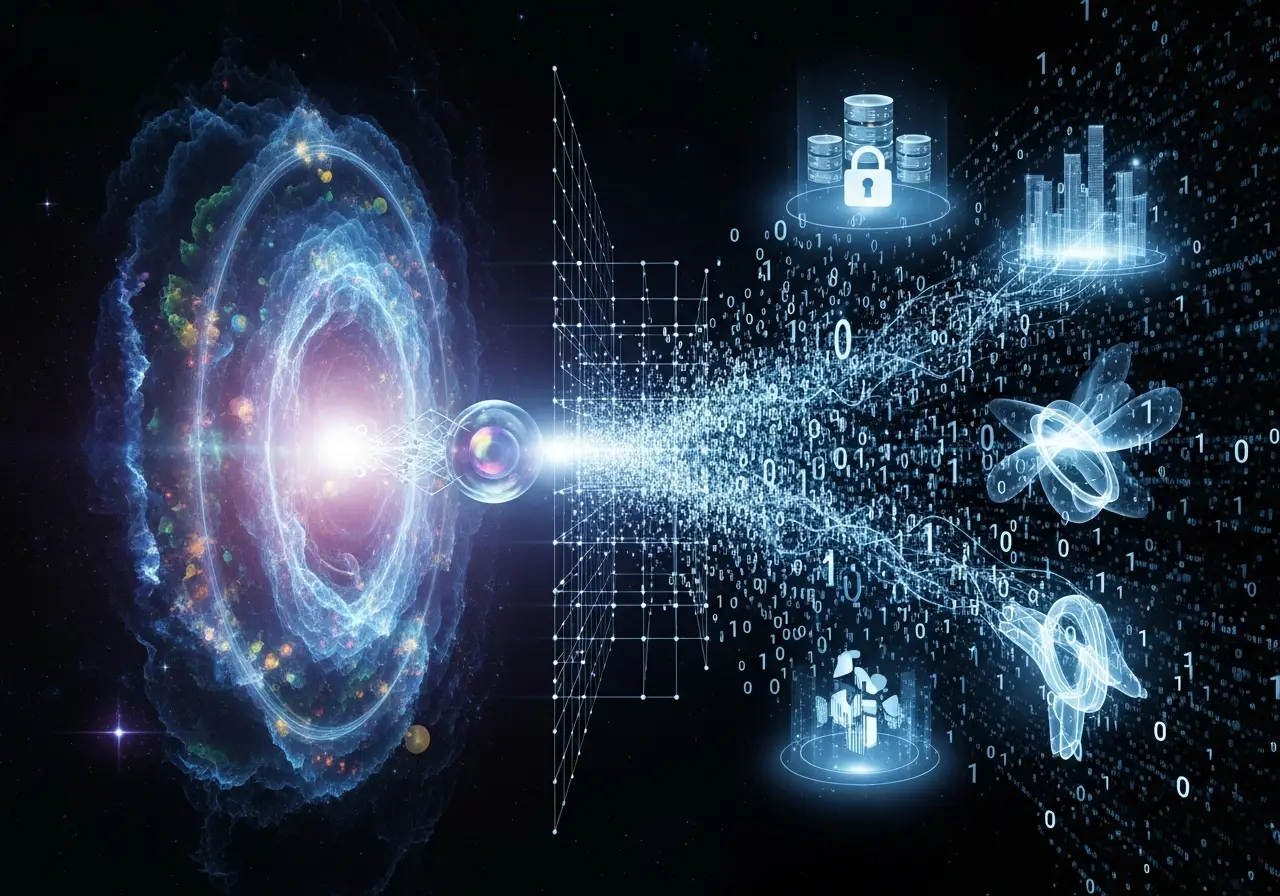
One of the most exciting applications? Cryptography. By using these genuinely unpredictable numbers, we create security systems that are tough to beat—even for the savviest of digital intruders. QRNG doesn’t just lock the door; it builds a house with so many locks and keys that no one can predict the arrangement. It turns securing digital communications into an art form, where every code is a new masterpiece in security.
Beyond the realm of cybersecurity, QRNG plays a crucial role in simulations and gaming. Whether it’s crafting lifelike video game worlds or running scientific models that explore the uncertainties of our universe, the demand for authentic randomness is ever-growing. Think of it as the ultimate tool for developers and researchers looking to inject authenticity into their work, providing numbers that are as unpredictable as tomorrow’s weather.
While the benefits of QRNG are vast, they come with the responsibility to use this power wisely. Just like any groundbreaking technology, there are ethical dimensions to consider. With newfound capabilities comes the duty to ensure these advances serve humanity positively, without letting missteps cause chaos in our digital ecosystems.
In the end, QRNG offers more than just technology; it invites us to reconsider our understanding of chaos and order. As we explore this quantum frontier, we engage with the universe’s intrinsic unpredictability, reminding ourselves that even amidst chaos, there exists a beautiful spectrum of possibilities. So here lies the challenge and the allure—are you ready to embrace this dance of cosmic randomness?