
You’re running a NISQ experiment, and the telemetry is… well, it’s not *bad*, but it’s not *great* either. It feels like trying to nail jelly to a wall, doesn’t it? Especially when you’re trying to implement something as fundamental as the superposition principle in circuits, and all you get are phantom bits bleeding into your results.
Harnessing Superposition Principle Circuits
The real action, the dirt-under-the-fingernails progress, is happening right now. Specifically, it’s about how we wring utility out of *this* hardware. We’ve been hacking on a framework—let’s call it H.O.T. for Hardware-Optimized Techniques—that treats noise not as an enemy, but as a *characteristic*. And a big part of that is staring down the barrel of **superposition principle circuits** and cleaning up the readout.
Leveraging Superposition Principle Circuits for Orphan Qubit Mitigation
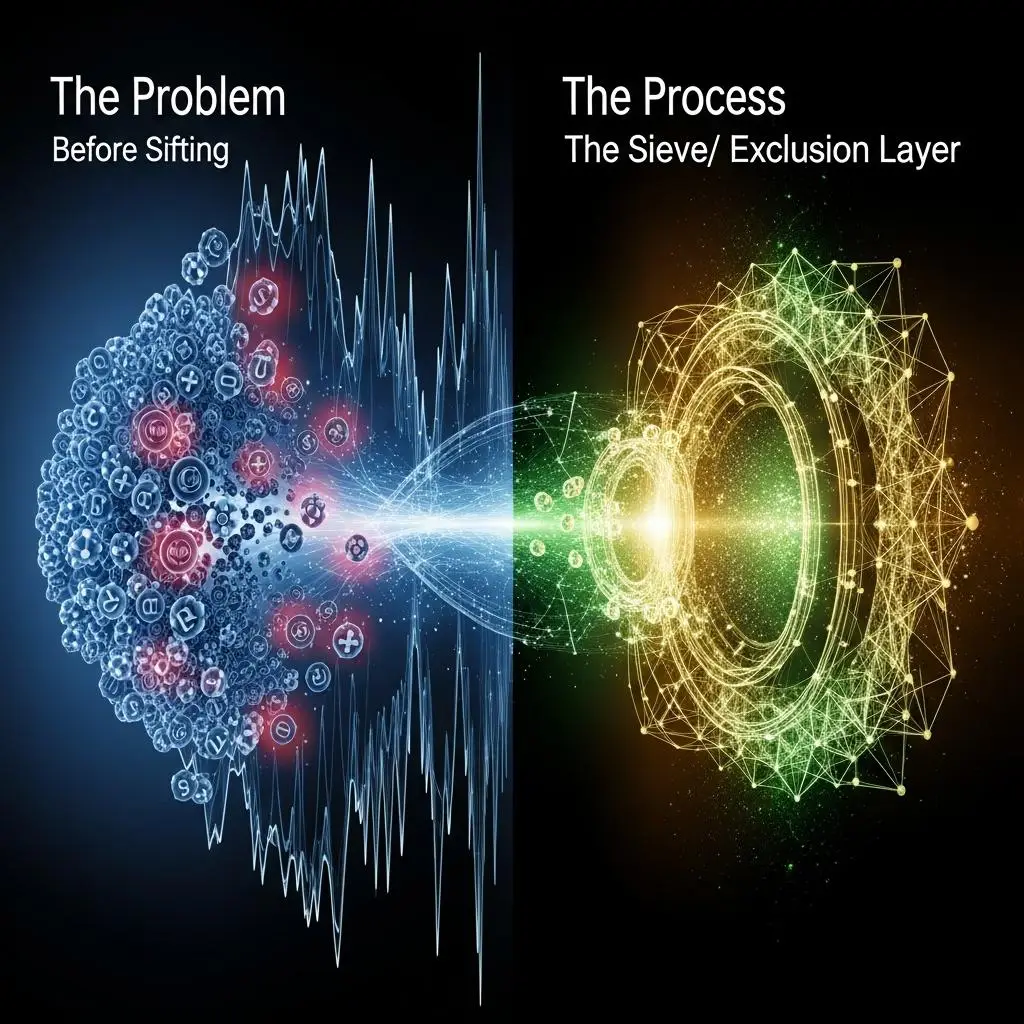
Our approach to eliminating these **orphan qubits** during MCM involves treating the measurement process itself as a computational step. Instead of a simple `measure` instruction, we’re deploying a V5-style measurement discipline. This isn’t about “data cleaning” after the fact; it’s about actively identifying and isolating shots where a subset of qubits exhibits anomalous statistics *relative to the expected stabilizer structure of the target circuit*.
Superposition Principle Circuits: Orphan Qubit Exclusion
When you design **superposition principle circuits** with MCM in mind, and you pair that with a V5-style measurement discipline, you can effectively create an “orphan qubit exclusion layer.” This layer is tuned to detect the subtle signature of contamination—the noise IS signal, in a way—allowing you to push the effective SPAM fidelity higher than typical benchmarks would suggest.
Optimizing Superposition Circuits for Orphaned Qubit Isolation
Start designing your **superposition principle circuits** with MCM and orphan qubit detection as first-class citizens. The telemetry might still look like an earthquake plot sometimes, but with this approach, you’ll be isolating the seismic events that actually matter for your computation, leaving the phantom bits behind. The benchmark isn’t how *many* qubits you have, but how effectively you can isolate them when it counts.
For More Check Out