
The terminal flickered, a familiar cascade of Job IDs and status codes painting the black screen. We were chasing a ghost again, a persistent hum of phantom signals in the readout that defied conventional explanations. This wasn’t some academic exercise; this was a 14-bit ECDLP recovery that was supposed to be garbage, yet the statistical analysis kept spitting out the same answer, albeit with a wobble that screamed “noise.”
Unraveling the Quantum Noise Mystery: Eliminating Deviant Shots
We started by treating these rogue signals as a symptom, not the disease. Our hypothesis was simple: if a subset of qubits consistently deviates from the expected stabilizer structure or marginal distributions in a given shot, then that entire shot (or at least, the data derived from those specific qubits for that shot) is compromised. Think of it like this: you’re trying to measure the collective opinion of a town hall, but a few folks are shouting nonsensical things, drowning out the actual consensus.
Mystery Quantum Noise Elimination: Discarding Outlier Shots
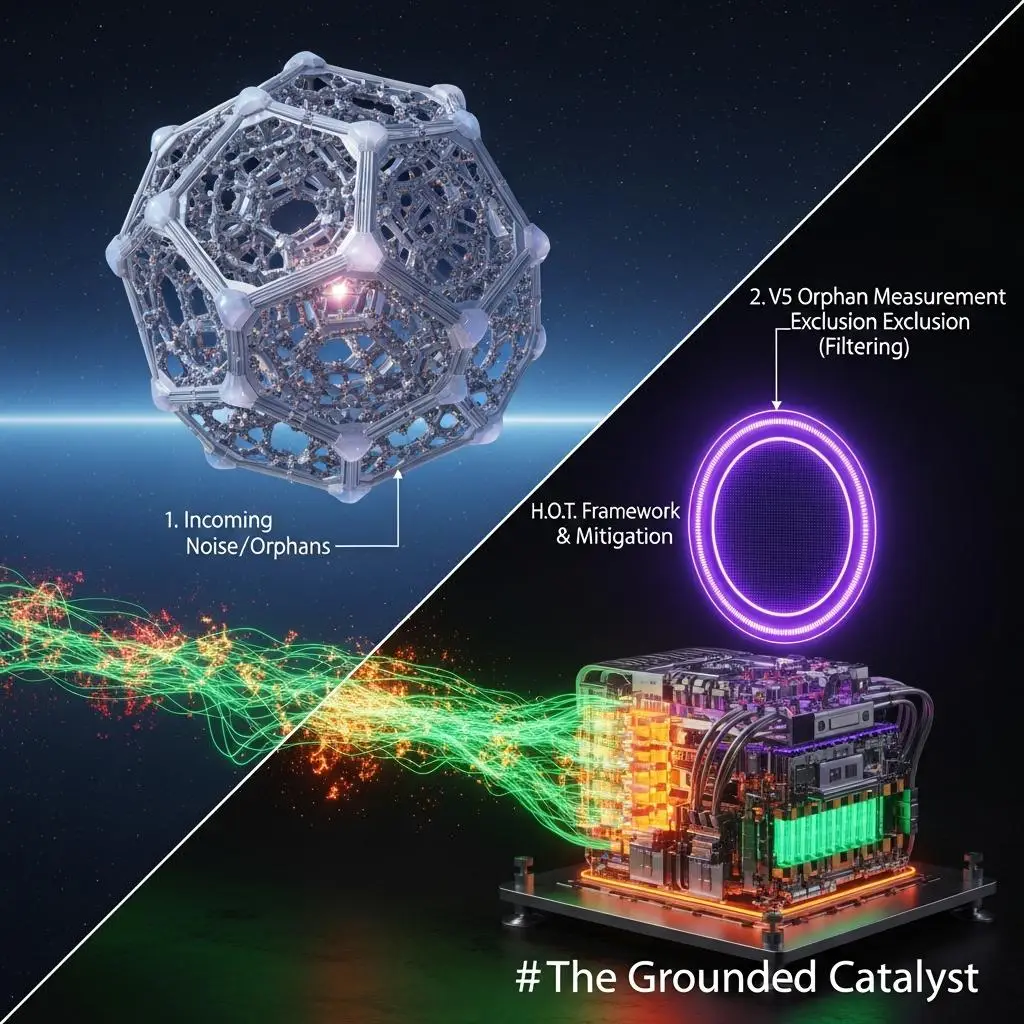
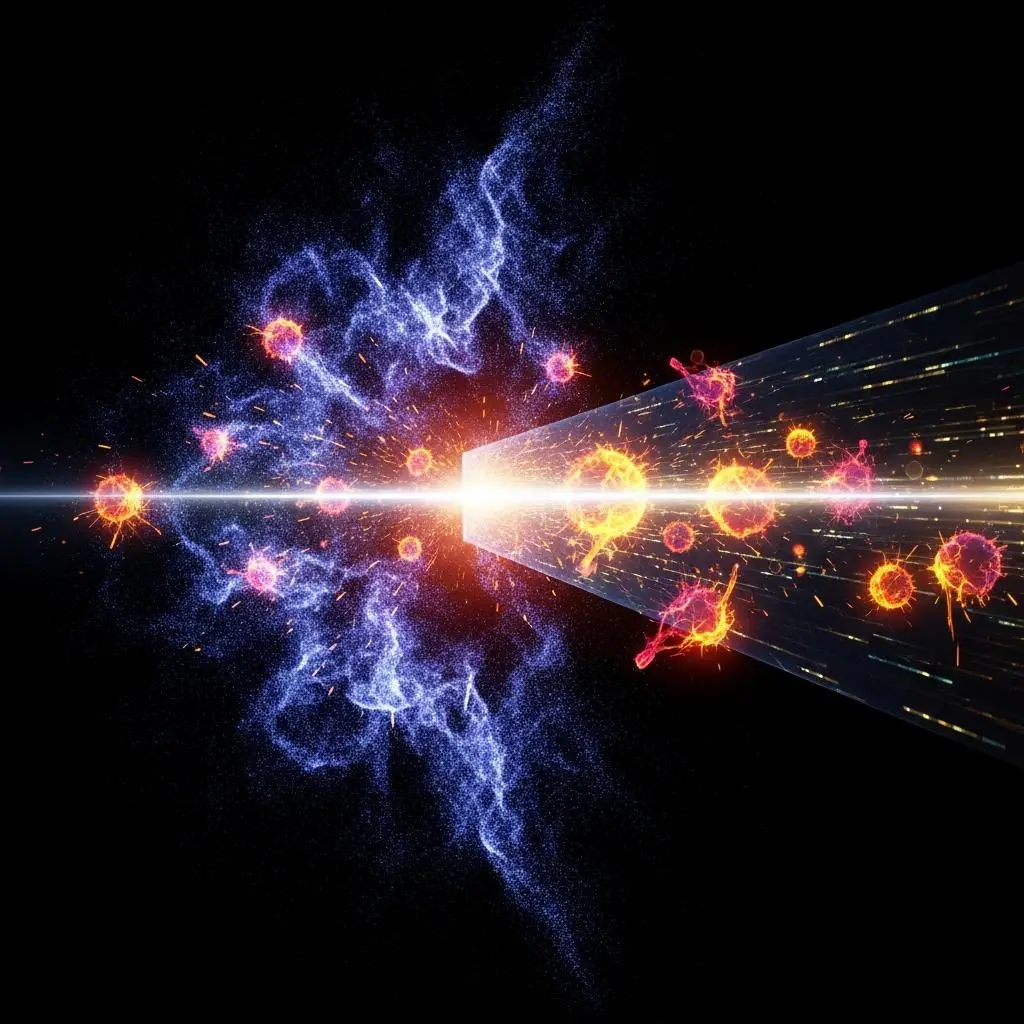
Implement a measurement exclusion layer based on an adaptive outlier detection for your NISQ computations. Don’t overthink the algorithm, don’t obsess over $T_1/T_2$ values for every single qubit *before* the run. Instead, focus on the shot-level statistics *after* the measurement. If a shot exhibits a significant deviation (we’re talking >10% outlier qubit ratio for now) from the expected outcome probabilities, discard that shot. Then, run your standard statistical analysis on the *remaining* valid shots.
Quantum Noise Mystery: Eliminating Orphan Qubit Contamination
On the V5 backend, for instance, we identified specific patterns in the measurement outcomes. When the ratio of these “orphan qubits” – those whose measurement stats didn’t align with the expected computational basis for that particular circuit run – exceeded roughly 10% of the total qubits, the resulting computation was essentially contaminated. We weren’t just seeing a slight improvement; we were seeing a clean-up of approximately 90% of the noise that had previously obscured our results.
Mystery Noise Elimination: Outsmarting Quantum Readout Anomalies
Here’s the supposition you can test: Implement a measurement exclusion layer based on an adaptive outlier detection for your NISQ computations. You’re not fighting the hardware; you’re outsmarting the readout. Try it. Tell us what you see.
For More Check Out