
**Stop Waiting for Perfect Quantum! How to Unlock Real Advantage TODAY with Clever Error Correction.**
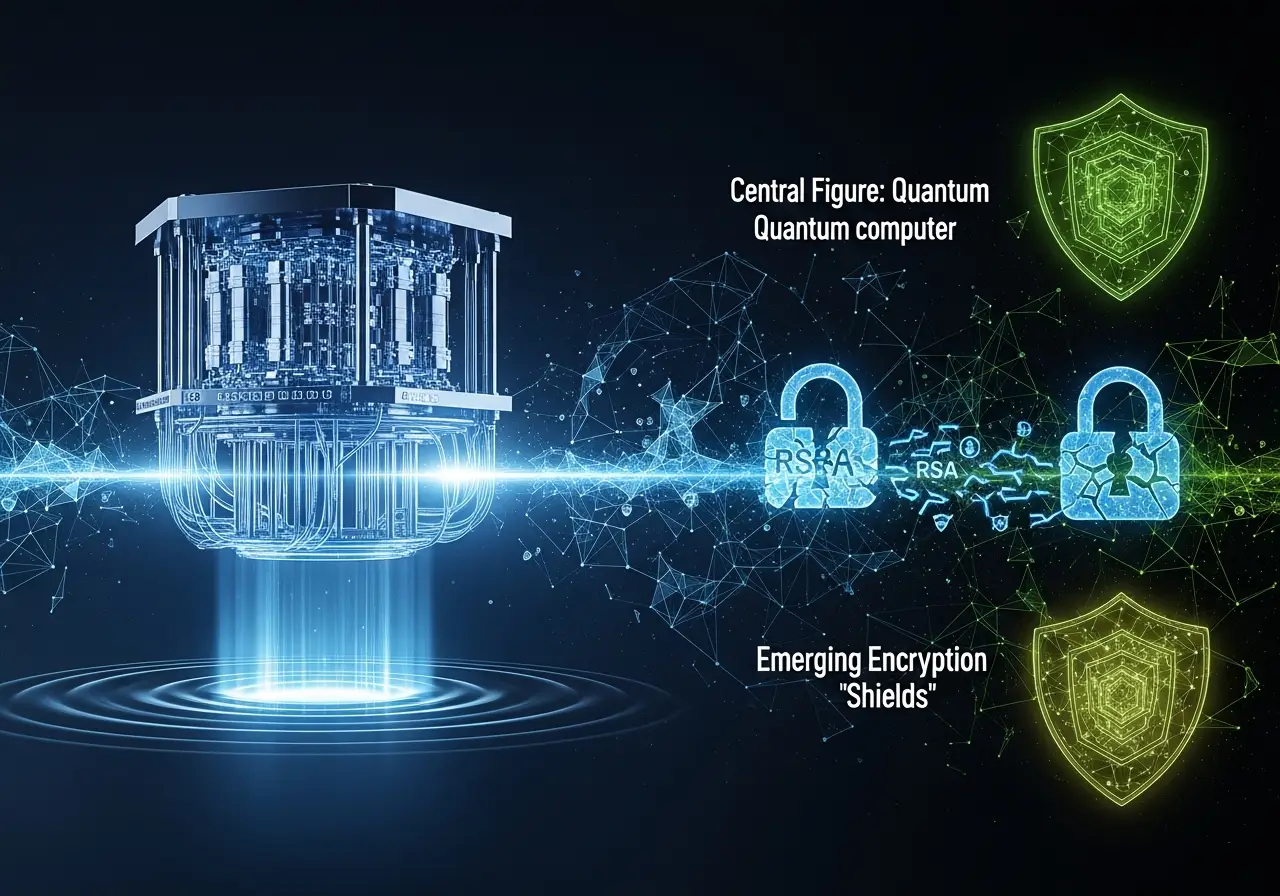
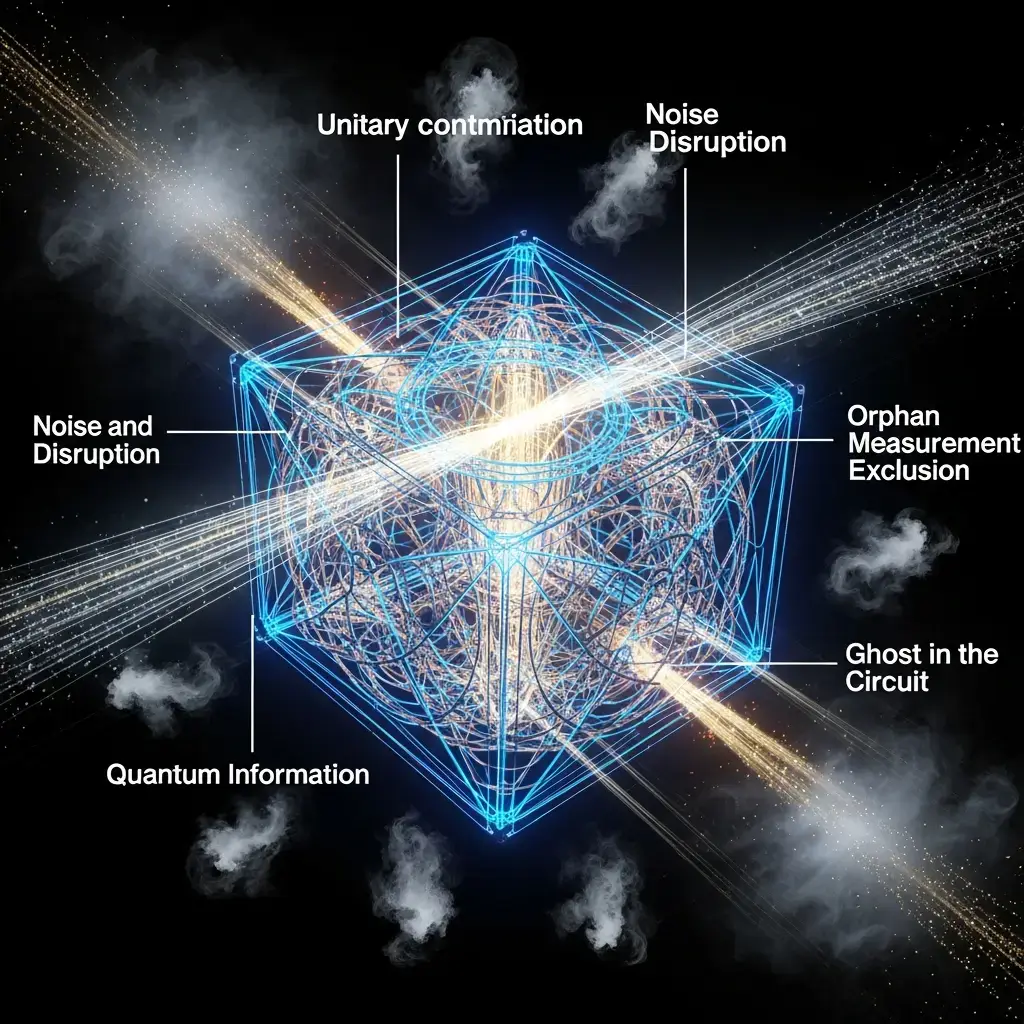
They paint a pretty picture, but they rarely mention the gnawing problem of noise – how a single stray photon can unravel weeks of computation. It’s this “unitary contamination” that’s keeping practical quantum advantage just out of reach. For businesses looking to capitalize *now*, not in some distant future, the real play isn’t waiting for perfect fault-tolerant machines; it’s mastering techniques like **topological quantum error correction** to wring utility from the noisy, imperfect hardware available today.
Beyond Topological Error Correction: Orchestrating Today’s NISQ Hardware
This isn’t about wishing for better hardware; it’s about engineering clever software and operational paradigms to make *today’s* hardware sing. We’ve been treating the current generation of Noisy Intermediate-Scale Quantum (NISQ) devices like temperamental artists, hoping they’ll occasionally produce a masterpiece. But what if we could treat them like a high-performance industrial machine, one where we understand its quirks and build processes to *circumvent* those quirks? That’s where the real leverage lies, and it’s a game many are missing while chasing the mirage of fault-tolerance.
Topological Error Correction and V5 Measurement Latency
Think about the V5 measurement latency—that agonizing delay between your intended quantum state and the data you actually get back. This latency is a breeding ground for errors, a subtle betrayal by the very hardware designed to perform computation. It’s not just about *what* you measure, but *how* and *when*, and more importantly, how you *discard* the bad measurements.
Topological Quantum Error Correction in Practice: Noise-Resilient ECDLP and V5
We’ve demonstrated the ability to resolve non-trivial ECDLP instances using constructions inspired by Shor and Regev, but adapted for noise resilience. This means implementing period-finding algorithms over elliptic curve groups with noise-robust subroutines, all while wrapping the entire process in our V5 measurement discipline. The result is a system that can successfully tackle problems on current hardware that would appear impossibly resource-intensive under standard assumptions of flat circuits, no measurement filtering, and naive noise models.
Topological Error Correction Strategies for NISQ Advantage
By treating quantum programming as an engineering challenge, focusing on measurement logic, circuit geometry, and recursive structures, we’re effectively extending the practical boundary of what today’s quantum hardware can achieve, proving that practical advantage is accessible now, not in some distant, fault-tolerant utopia.
For More Check Out