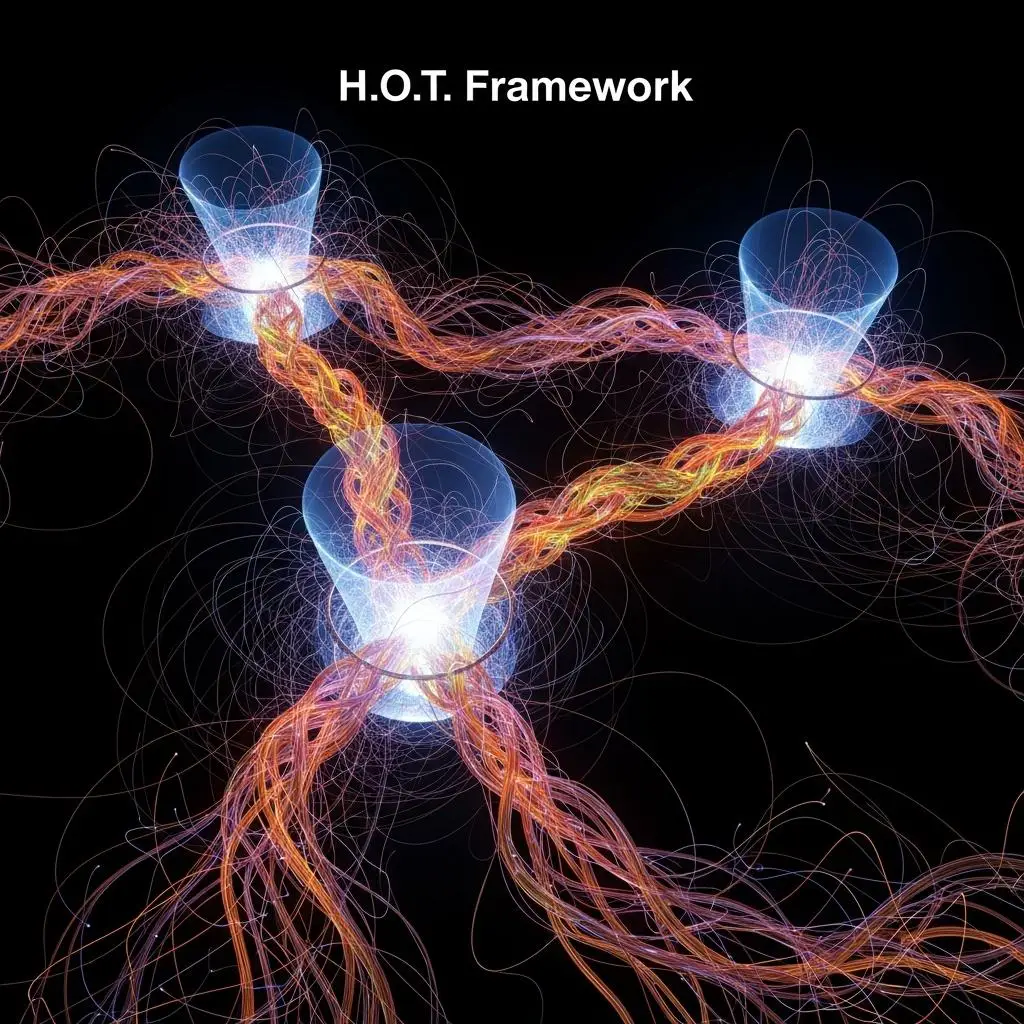


Imagine walking into a room filled with tiny shimmering specks of light, each one a particle poised on the edge of a technological breakthrough. Welcome to the intriguing world of quantum dots—semiconductor marvels so small, yet so full of potential. These dots may be tiny, but there’s nothing insignificant about what they can do, as they hold the power to reshape how we think about everything from electronics to medicine.
Think of quantum dots as tiny architects of possibility. These particles allow us to see and utilize electron behavior in ways that classical physics couldn’t imagine. Picture each dot as a miniature universe, where electrons dance elegantly in confined spaces—this is quantum confinement in action. By altering the size of a quantum dot, we can change its color, manipulating its electronic properties to suit our needs, whether for advanced displays, more efficient solar cells, or next-generation medical imaging techniques.
Quantum dots aren’t just redefining existing technologies; they are creating bridges toward new ones. One of the most riveting prospects is their role in quantum computing. Imagine computers that harness the complexities of quantum mechanics, eclipsing traditional systems by leaps and bounds in processing power. It’s all about freeing electrons from binary limitations, stepping into a world of endless possibilities with qubits at the helm.
But what does all this mean for practical applications today? Quantum dots have already made waves in the development of quantum dot LEDs and lasers, offering efficiencies and precision unimaginable just a few decades ago. They hold the promise of bringing unparalleled performance, whether in lighting up a room or in revolutionizing electronics.
And then there’s medicine. Here, the tiny dots take on superhero status, acting as guides in medical imaging to reveal hidden tissues and track cellular processes with clarity and detail. Imagine doctors being able to catch diseases earlier, informing treatment decisions swiftly and accurately—potentially saving countless lives.
Despite the tantalizing future they promise, the journey with quantum dots isn’t without its challenges. Creating these dots with stable, non-toxic, and scalable methods is a puzzle that scientists are keenly working to solve. In unlocking their potential, it’s crucial we tread responsibly, considering environmental impacts and sustainability.
As we explore the realm of quantum dots, we stand at a crossroads of innovation. These minuscule entities are not mere particles; they represent a gateway to a future teeming with technological and medical advancements. They remind us that even the smallest elements can drive monumental change, painting a vibrant future fueled by the light of discovery.
In embracing the promise of quantum dots, we step into a world of nuanced possibility—one where minute structures hold the keys to breakthroughs waiting just beyond the horizon.