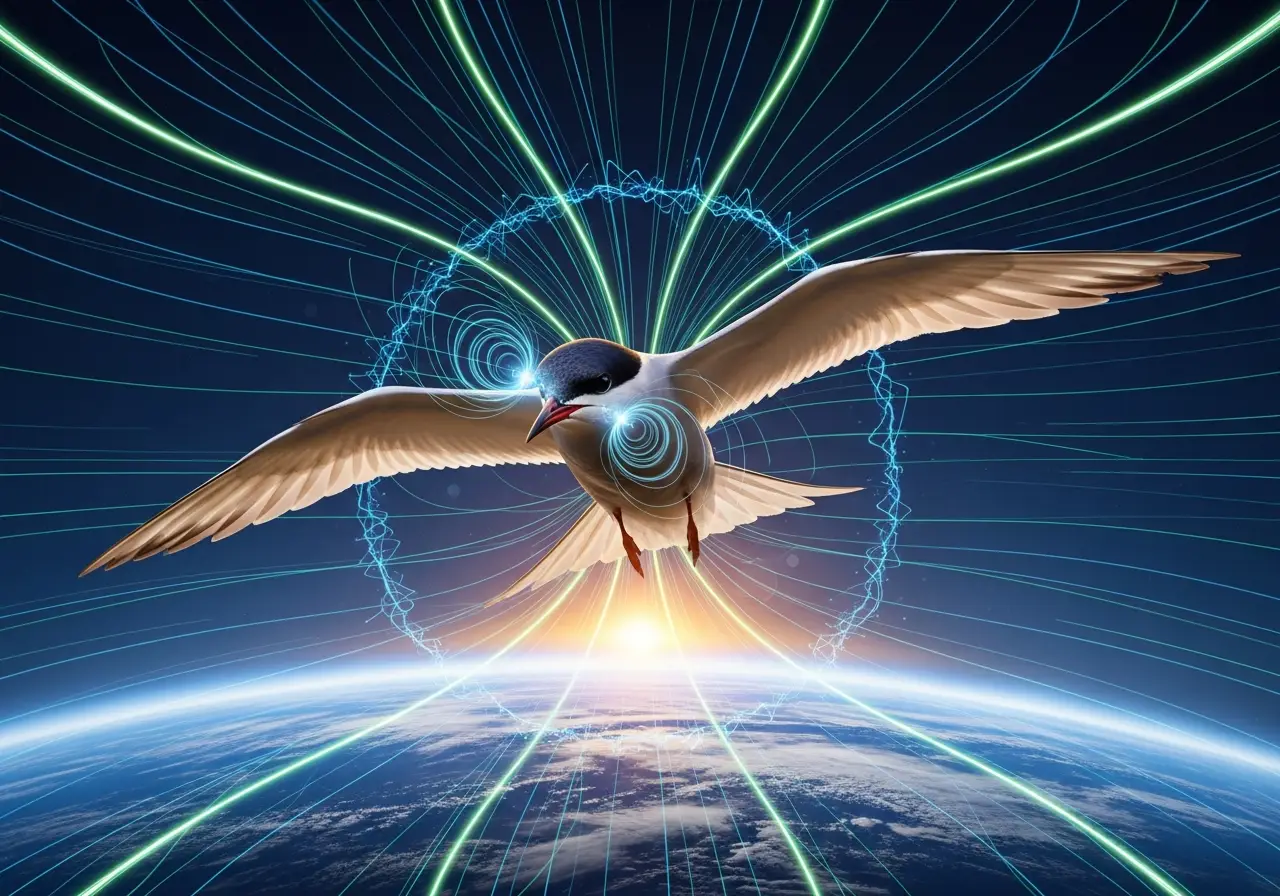

Birds flying vast distances with incredible accuracy invoke a sense of wonder, especially when considering they might be utilizing quantum physics to guide them. At the heart of this is avian magnetoreception, where birds detect Earth’s magnetic field to navigate. This ability isn’t just innate instinct; it’s a sophisticated process involving cryptochromes in their eyes, proteins that react to light and magnetic fields.
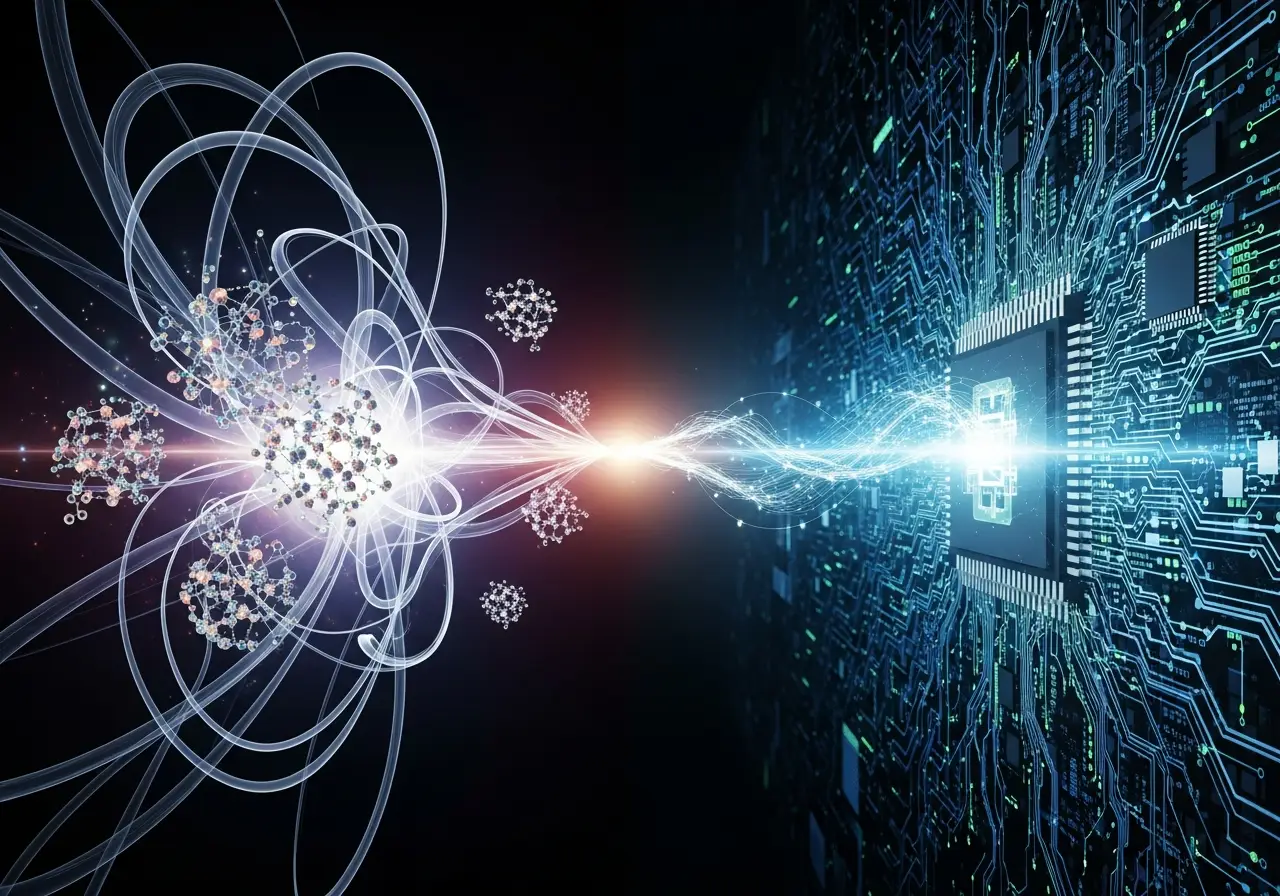
These cryptochromes form radical pairs, which are molecules in two states at once, a concept known as quantum superposition. By distinguishing between these states, birds can essentially “see” the magnetic field. It’s a process as delicate as it is fascinating, relying on a concept called quantum coherence to maintain orientation and guide them on their routes.
The implications of this are vast. Not only do birds and possibly other creatures like sea turtles share this quantum ability, but it also raises questions about whether this evolved separately or has common evolutionary roots. As research dives deeper, the potential applications of understanding this phenomenon range from navigation tech to advances in biomimetics.
However, with such knowledge comes responsibility. As we stand on the brink of applying quantum navigation insights, we must ensure our advancements harmonize with ecosystem health, not harm them in the chase for progress. This understanding invites a shift in how we view our role in the natural world—not merely as observers but as participants within a finely interconnected system.
This exploration challenges us to consider the unseen forces guiding not just birds, but perhaps our own lives. As we learn more about this complex interplay of biology and quantum physics, we’re reminded of the delicate balance that supports life’s diversity. It urges us to protect the environments that enable such astonishing natural phenomena, ensuring they persist for generations to come.