
Imagine yourself in a bright meadow, surrounded by the rich greens of leaves basking under the sun. Have you ever pondered how these leaves transform sunlight into life? This is where the fascinating process of photosynthesis unfolds, but it’s more than just chemistry. It’s a complex dance involving the principles of quantum physics.
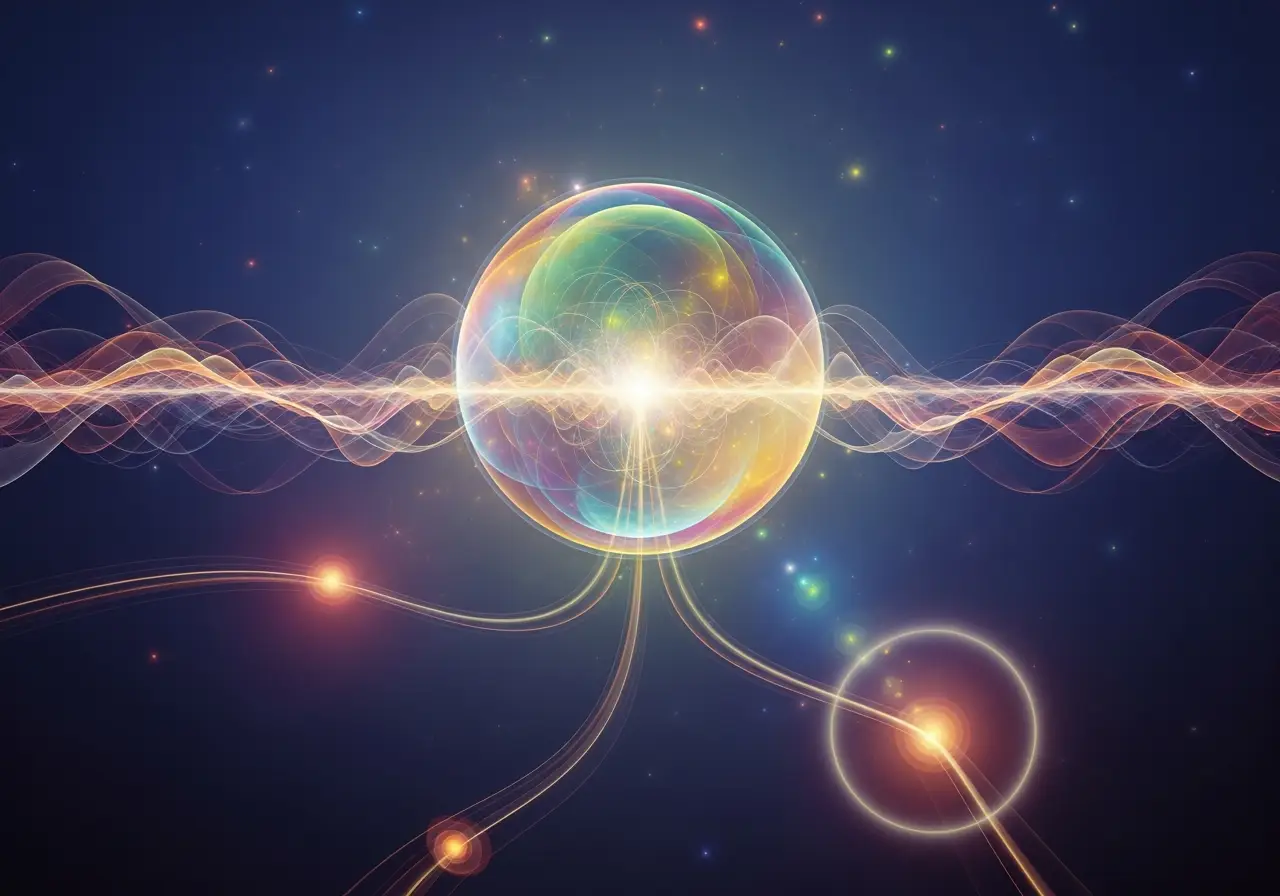
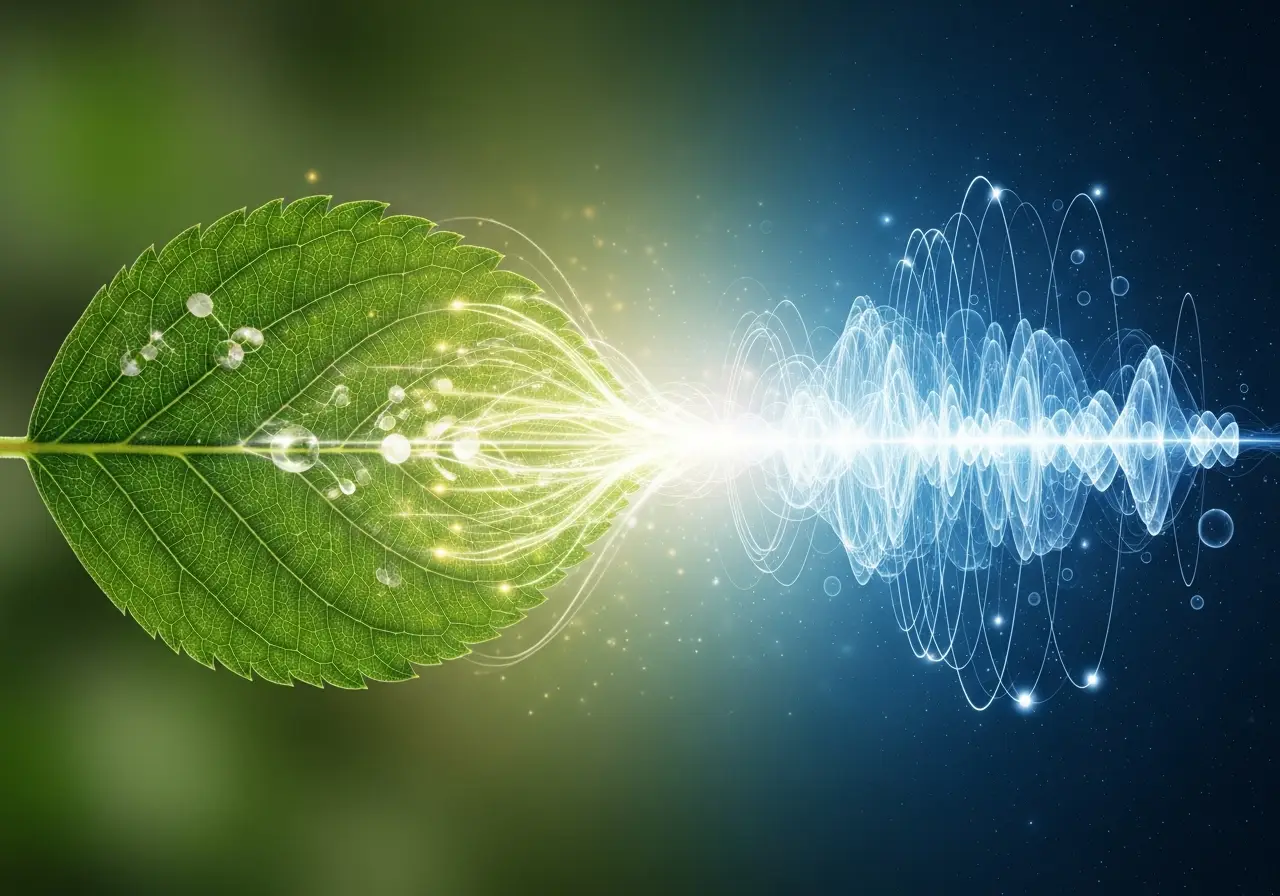
Photosynthesis relies on quantum coherence, a synchrony at the microscopic level where particles align in a harmonious manner. Within chlorophyll molecules, this coherence ensures energy is transferred efficiently, much like dancers moving in perfect time. Studies show that during the light-dependent reactions of photosynthesis, chlorophyll absorbs photons and begins converting solar energy into chemical energy. Researchers have found that energy transfer is not random; instead, it flows in a wave-like pattern, exploring multiple pathways simultaneously. This wave-like energy flow boosts efficiency, helping plants adapt to changing light conditions, a bit like synchronized swimmers adjusting seamlessly to water currents.
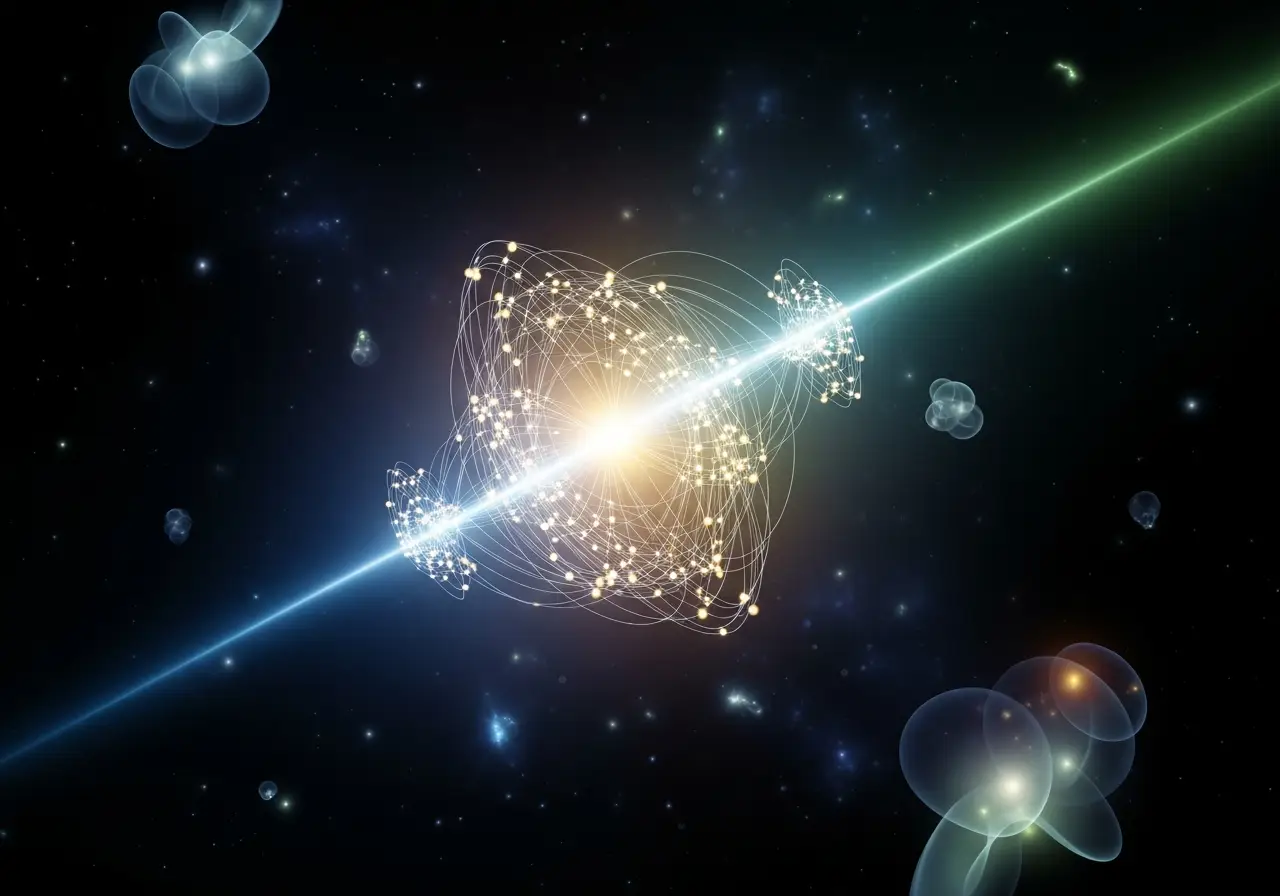
This elegant process is driven by quantum superposition—particles existing in multiple states until the optimal path is chosen for energy conversion. This concept mirrors the famous Schrödinger’s cat, being both alive and dead. In the plant realm, such superposition allows for remarkable precision in energy use.
The implications of this understanding extend far beyond botany. Imagine applying these principles to create more efficient solar cells, mimicking nature’s refined mechanisms. Scientists are already working to harness such bio-inspired technology, holding promise for more sustainable energy solutions. And as we delve deeper, there’s potential that quantum effects might influence other biological phenomena, offering new insights into nature’s mysteries.
Grasping the subtleties of quantum photosynthesis could also inspire methods to tackle climate change. By emulating nature’s adeptness at carbon capture, we might find eco-friendly ways to lessen our reliance on fossil fuels. Nature has utilized quantum mechanics for eons—perhaps it’s our turn to learn.
This exploration into the heart of photosynthesis reveals a universe teeming with untapped potential. The intersection of biology and quantum physics here shows how much we have yet to uncover. So next time you stroll through a sunny meadow, reflect on the extraordinary processes occurring in the greenery around you—a reminder of nature’s remarkable fusion of the cosmic and the living world. For more on how technology and nature intertwine, check out Firebringer AI.