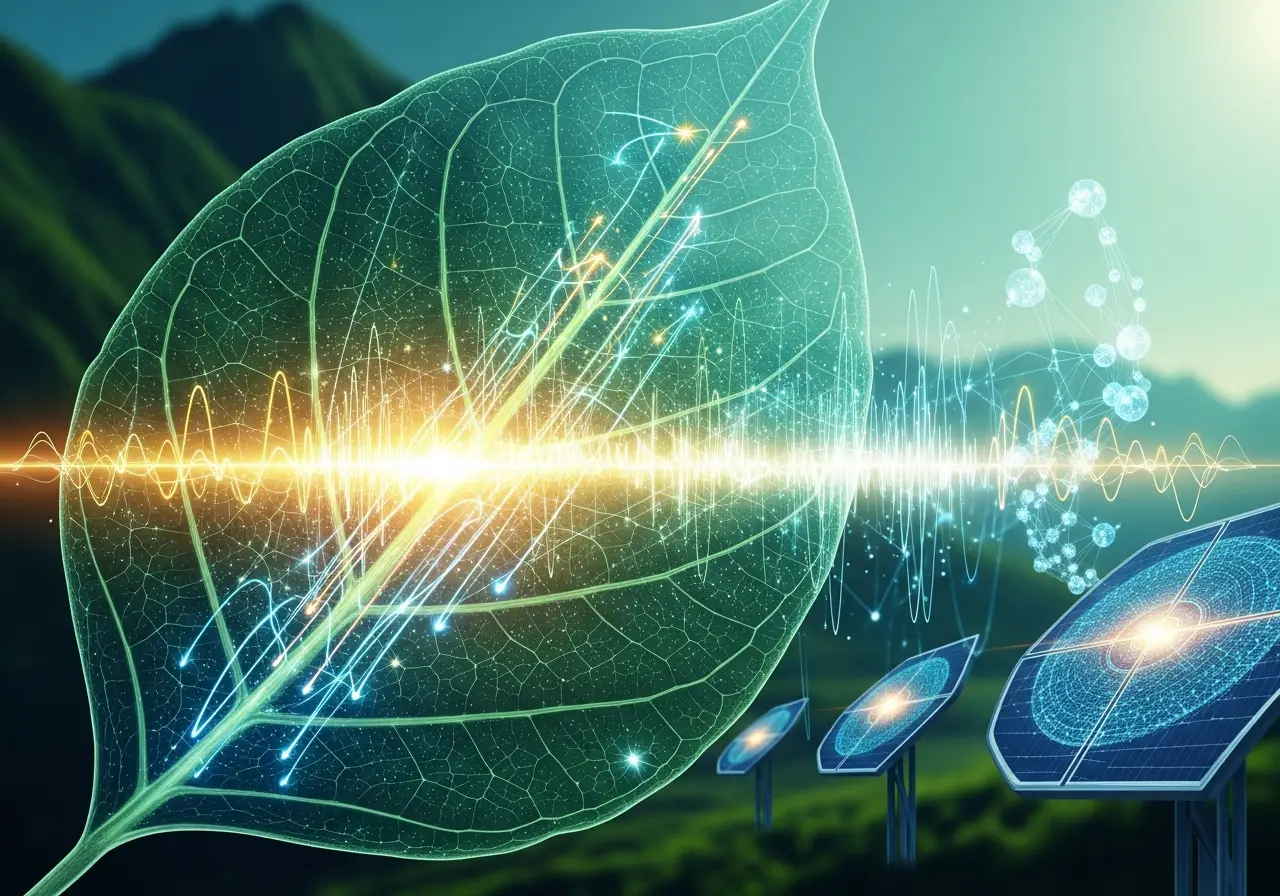

The dance between photosynthesis and quantum mechanics presents a fascinating view into the hidden capabilities of the natural world. At the heart of this process is efficiency—plants don’t just convert sunlight into energy; they do so with remarkable precision, guided by principles that extend beyond classical physics. As photons of light enter the leaf, they spur electrons in chlorophyll into action, triggering a process where energy follows the most efficient pathways possible. It’s somewhat similar to choosing the best route through a maze using overlapping paths—a hallmark of quantum mechanics.
This coherence isn’t fleeting. The energy maintains its integrity across surprising distances, enabling plants to channel sunlight with minimal loss. It’s a feat of nature that not only intrigues scientists but inspires them to rethink our own energy systems. There’s potential for developing solar technologies that emulate the way leaves handle sunlight, converting it with exceptional finesse.
Quantum effects in photosynthesis suggest broader implications for biology and technology. Understanding these processes could lead to innovations in computing and energy that align with the natural world, helping us design systems as efficient and harmonious as those found in nature.
This field of study invites us to look deeper into our connection with the environment and the universe. As we explore the intersection of plant biology and quantum theory, new perspectives on sustainability and innovation emerge. It’s a reminder to draw inspiration from the world around us, recognizing the sophisticated systems at play within every leaf. And as we explore further, we might find ourselves in harmony with the rhythms and secrets nature so generously offers.