
Imagine a world where light drifts lazily, meandering rather than sprinting through the universe. This isn’t a fantasy; it’s a dance that scientists have begun to choreograph. By reducing light speed in certain materials, we’re discovering an entirely new dimension of physics—one that reshapes how we might use light in the future.
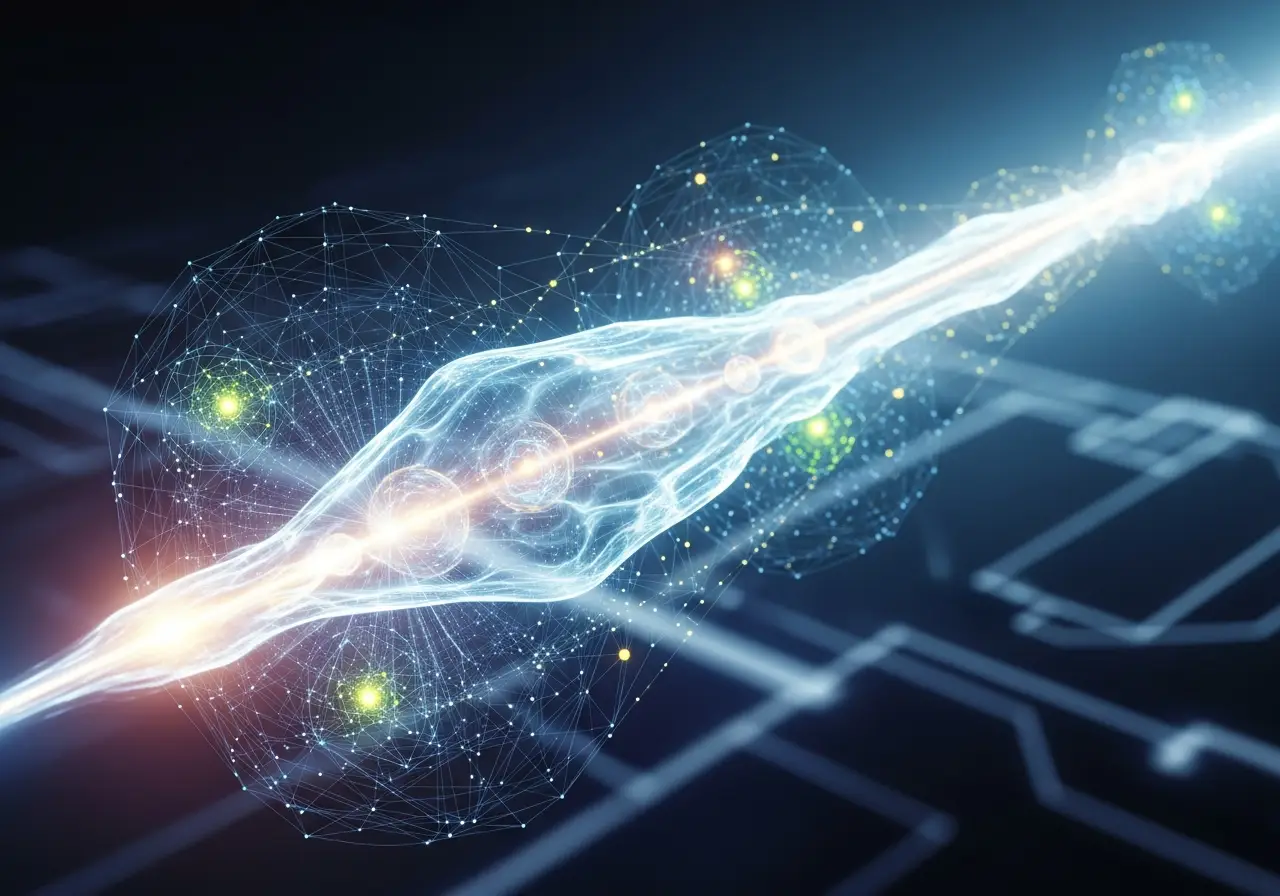
Through this new understanding, scientists have learned to manipulate light’s speed using quantum mechanics. Imagine photons pausing on their cosmic journeys, lightly treading through a substance known as a Bose-Einstein condensate—a state that allows this once-racing light to move at a more contemplative pace.
The ripple effects of this discovery could revolutionize communication technologies and quantum computing. By better controlling light’s behavior, we could see data transferred at speeds and efficiencies previously thought impossible, offering a fresh perspective on the phrase “getting there in good time.”
Central to this phenomenon is something called coherence-mediated photon deceleration—a principle where light waves harmonize with their environment, allowing precise control over their speed. This doesn’t mean dimmer lights, though. Visualize a concert of vibrant photons, each arriving on its own time, enhancing our appreciation of what light can do.
The implications are profound, especially for fields like telecommunications and secure information systems. Envisage secure communication protocols, where photons stealthily convey data, giving us unprecedented control over information flow and security.
As this understanding unfolds, it beckons us closer to technological revolutions once deemed mere science fiction. Could these insights eventually redefine not just how we communicate, but how we comprehend reality itself?
This journey of light—where its speed becomes a variable rather than a constant—invites us to rethink our relationship with one of physics’ most fundamental forces. We’re at the cusp of an era where light’s true potential is just beginning to be understood, opening doors to innovations that could redefine our technology and enrich our lives.